Guide
Which knit does what: chunky, cable, ribbed and crochet on the body
Five stitches, five different garments from the same silhouette, and the counts from this range so you can see which one the brand actually makes.
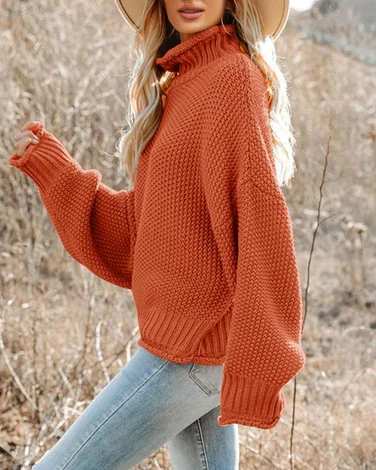
Two cardigans can share a colour, a size and a price and still be different garments. The stitch decides almost everything a photograph does not show: how much air the fabric holds, whether it keeps its own shape or takes yours, how it behaves in a bag, and whether anyone can see what is under it.
This page goes through the knits in this range one at a time, with what each does on the body and how many styles carry it today. The counts come from the current range and change when it does.
| Knit | Styles | In cardigans | In pullovers |
|---|---|---|---|
| Chunky knit | 28 | 15 | 12 |
| Crochet | 27 | 5 | 0 |
| Ribbed | 15 | 0 | 2 |
| Cable knit | 14 | 2 | 6 |
| Fuzzy knit | 5 | 1 | 1 |
| Fair Isle | 4 | 1 | 2 |
Read that table as availability rather than as a ranking. A stitch with forty styles behind it gives you forty chances at your colour and size. A stitch with four gives you four.
Chunky knit: a coat you wear indoors
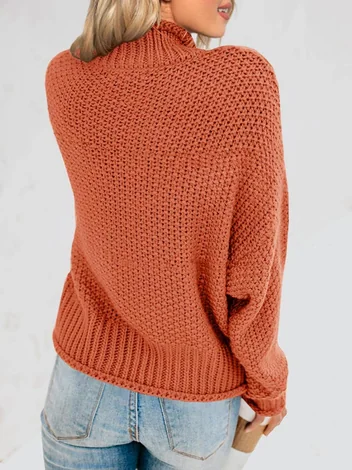
Chunky is the thickest yarn in the range and 28 styles use it. The stitches are large enough to count from across a room, and the fabric has enough body to stand slightly away from you rather than falling against you.
That is the whole appeal and the whole cost. A chunky cardigan reads as outerwear indoors, and that is the reason people wear one over a t-shirt in an office that runs cold. It also takes up a third of a small suitcase, sheds a little in its first weeks, and stretches downward on a hanger if you leave it there for a season.
Chunky knit28 pieces
Crochet27 pieces
Ribbed15 pieces
Cable knit14 pieces
Fuzzy knit5 pieces
Fair Isle4 pieces
Waffle knit1 pieces
Fold a chunky knit, never hang it. The weight of the yarn is the whole problem: gravity pulls a heavy sweater by the shoulders and the sleeves grow an inch. Our care guide covers the storage side in detail.
What chunky does not do is layer. A chunky cardigan over a chunky pullover is a coat with no room for arms. If you want to layer knits, one of the two has to be ribbed or lightweight.
Chunky knits, most rated first
See all
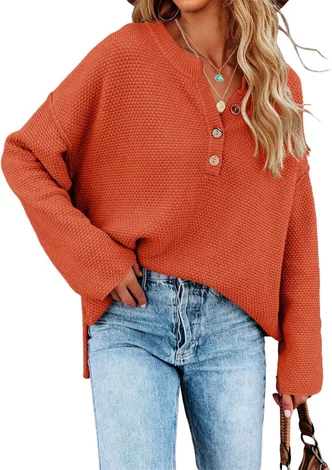
Cable knit: pattern that hides a spill
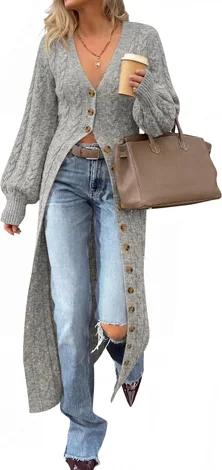
Cable is the twisted rope pattern that runs down the front of a fisherman's sweater. It is made by crossing groups of stitches over each other, which uses more yarn per inch than a flat stitch and makes the fabric denser and warmer at the same weight.
For a buyer, cable does three practical things. It adds visual texture to a plain colour, so a beige cable knit is more interesting than a beige plain one. It hides marks: a coffee splash disappears into a pattern that a smooth surface would show for the rest of the day. And it holds a shape between the cables, so cable cardigans keep their line better than plain ones of the same weight.
Ribbed and fitted
- the stitch pulls in and follows the body
- recovers its shape after a day of wear
- shows everything under it, which some people want
Chunky and cable
- adds visible width at the shoulder and arm
- holds warmth better than anything else here
- takes a day to dry flat and never goes on a hanger
The catch is scale. A large cable on a small frame is a lot of pattern, and the eye reads it as bulk. If you are under about five foot four, the smaller cables and the fine ribs flatter more than a heavy Aran-style panel does.
Ribbed: the knit that follows the body
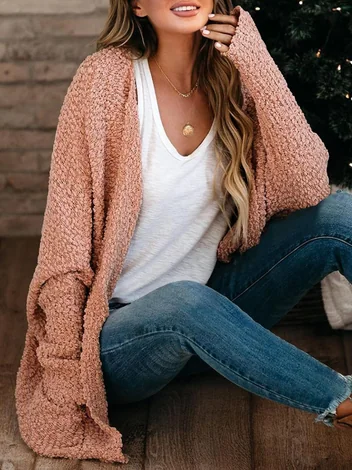
Ribbing alternates raised and recessed columns of stitches, and the fabric that results is elastic across its width. It pulls in when you are not filling it and gives when you are, which makes it the closest-fitting knit in the range and the one that packs flattest.
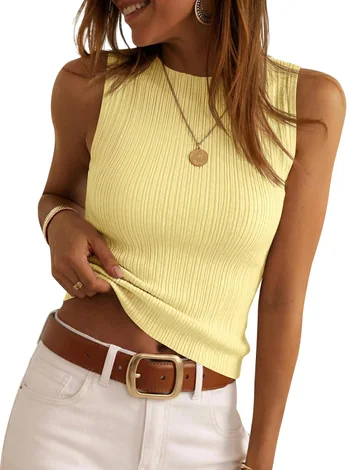
Ribbed tops and dresses are where this range gets its shape. A ribbed tank under an open cardigan is the whole outfit that most of these pieces were photographed in. A ribbed midi dress follows the body from shoulder to hem, which is flattering and unforgiving in equal measure.
Two warnings, both from the elastic. Ribbing shows everything under it, including seams. It also recovers less each year, so a ribbed piece washed hot and dried hot eventually sits where you put it rather than where it should.
| What the label asks for | Styles |
|---|---|
| Hand Wash | 92 |
| Machine Wash | 32 |
| Machine Washable | 14 |
| Hand Washable | 1 |
Where a rib is the right answer and you want coverage, the trick is length rather than weight: a longer ribbed top skims the hip instead of stopping at the waist.
Ribbed knits, most rated first
See all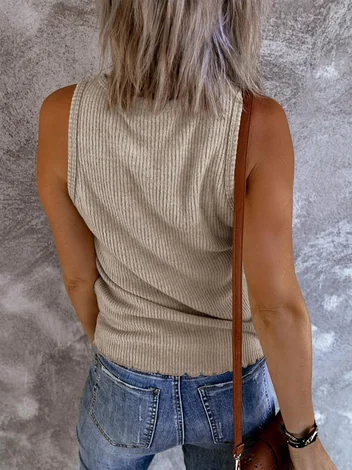
Crochet: an open stitch for July
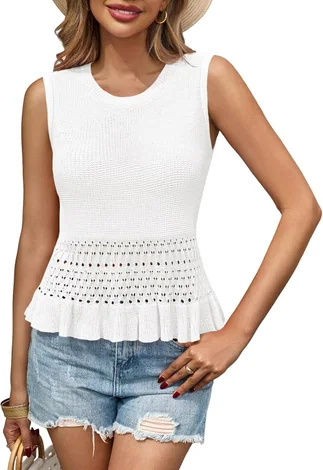
Crochet is worked with a hook rather than needles, one loop at a time, and the result is a fabric full of deliberate holes. 27 styles here use it, and almost all of them are summer pieces: cover ups, lightweight cardigans, crop tops and a few dresses.
The holes are the point. Air moves through the fabric, so a crochet cardigan is wearable at 27 degrees in a way a knit cardigan is not, and it dries on you after a swim rather than staying wet.
- 1. Measure a knit you already wearChest flat across and shoulder to hem. Those two numbers settle most of the range.
- 2. Read the stitch before the sizeRibbed pulls in and follows the body. Chunky adds width to the shoulders before you wear it.
- 3. Decide how oversized you want itOversized is a cut here, not a size up. Taking a size up on top of it gets you a dress.
The holes are also the limitation, and this is the part that surprises people. Light goes through them as readily as air. A white crochet top over a bare torso is a see-through top, and a crochet cover up gives the sun a route to your skin rather than blocking it. Where you want cover, a dense stitch does the job and an open one does not.
Crochet also snags. The loops catch on rings, watch clasps and the corner of a wicker chair, and a pulled loop in crochet is more visible than a pulled thread in a fine knit. Keep it away from velcro and put it on after your jewellery.
Crochet pieces, most rated first
See all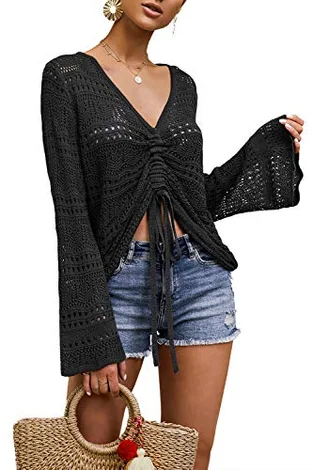
Fuzzy and brushed knits
Fuzzy knits have a raised surface: the yarn is brushed after knitting so a halo of fibre stands away from the fabric. They photograph soft, they feel warm before they are warm, and they are the pieces people describe as cosy without being able to say why.
What they do in practice is shed. A brushed knit leaves fibre on a dark coat, on a car seat and on anybody who hugs you, and it does most of that shedding in its first month. Wear it over a dark top on purpose or accept the lint brush.
Fuzzy fabric also flattens where it rubs: under a bag strap, at the inside of the elbow, across the back of a car seat. That flattening is permanent in a way a crease is not, which is the argument for keeping the shoulder bag on the other shoulder.
 Pullovers57 styles
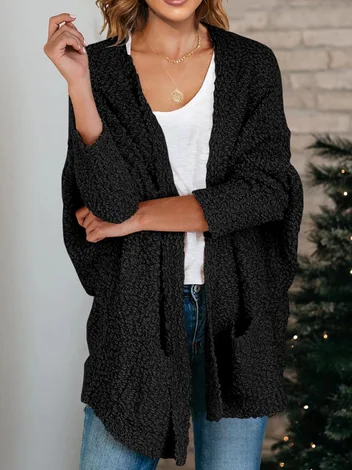 Cardigans47 styles
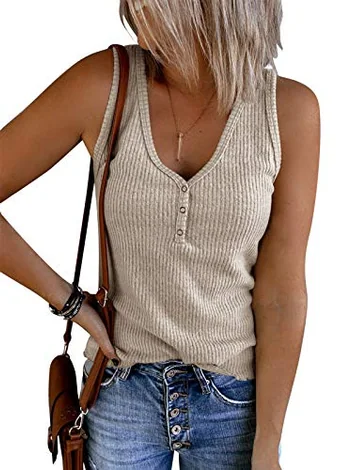 Tops & Vests44 styles
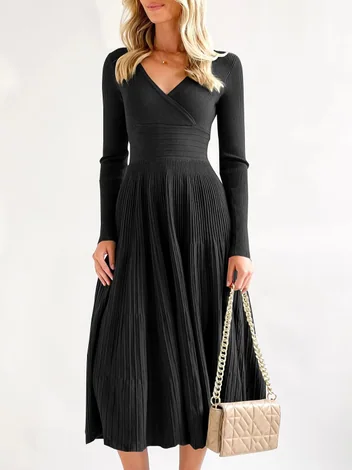 Dresses17 styles
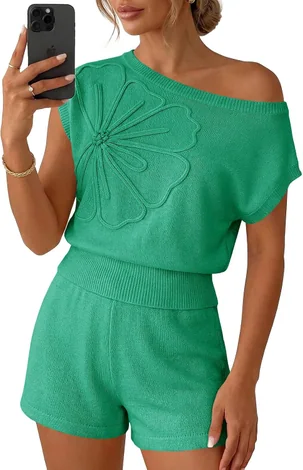 Sets13 styles
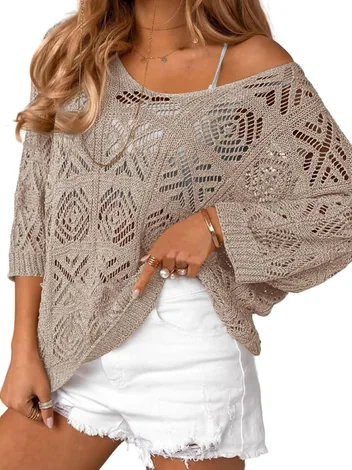 Cover Ups19 styles
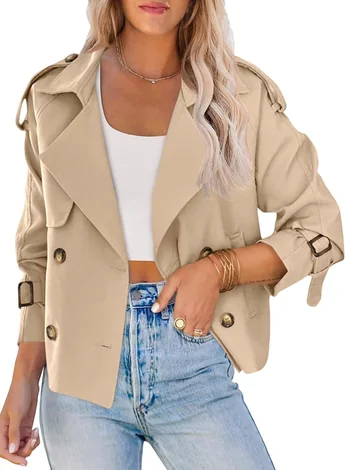 Coats7 styles
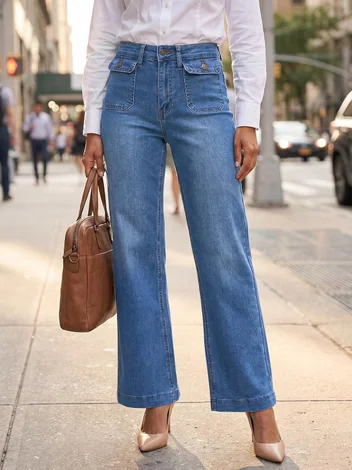 Jeans5 styles
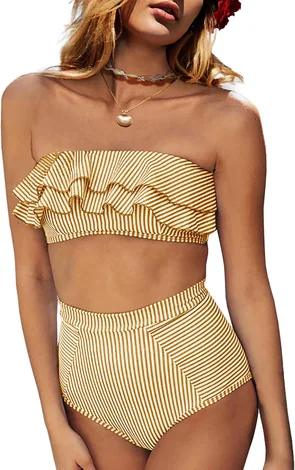 Swim4 styles
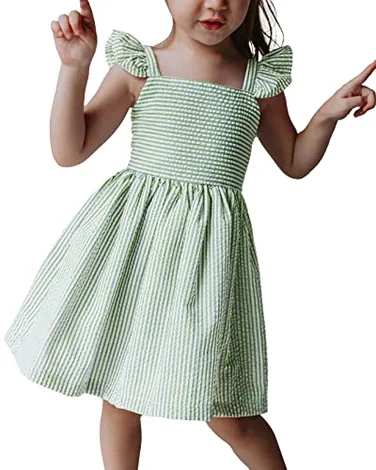 Girls7 styles
Fair Isle: colour worked in rather than printed on
Fair Isle is the one stitch here that is about colour rather than about weight. Two or more yarns are carried along the same row and swapped to make the pattern, so the design is built out of the yarn instead of applied to the surface. 4 styles in this range are worked that way.
Two things follow from carrying a second yarn. The fabric is thicker than a plain knit of the same yarn, because the colour not in use runs along the back until it is needed. And the pattern cannot fade off the fabric the way a print can, because there is no print. A Fair Isle yoke looks the same in its fourth winter as a plain sweater does in its first.
Chunky knit$20.69 to $49.99
Crochet$9.99 to $46.98
Ribbed$9.90 to $42.99
Cable knit$19.99 to $43.99
Fuzzy knit$9.99 to $49.99
Fair Isle$22.79 to $38.98
The cost is movement. Those carried strands limit how far the fabric stretches across the patterned band, so a Fair Isle yoke is firmer across the shoulders than the plain body below it. If a knit feels tight in one band and loose everywhere else, that is the reason, and it is the pattern rather than the size.
Colour placement is the thing to look at before buying. A band across the chest is the widest part of most patterns and it draws the eye there. A yoke that stops at the collarbone reads quieter, and a pattern confined to the cuffs is quieter still.
The neckline decides more than the stitch
Once the knit is chosen, the neckline is the next real decision, and this range names it on every page. The counts below are the styles behind each one.
| Neckline | Styles |
|---|---|
| Crew neck | 36 |
| V-neck | 32 |
| Turtleneck | 25 |
| Collared | 10 |
| Square neck | 4 |
| Boat neck | 4 |
| Hooded | 2 |
| Off shoulder | 2 |
A crew neck sits at the base of the throat and gives the eye a horizontal line. A V-neck opens the chest and lengthens the neck, and that is the reason it survives every trend. A mock or turtle neck warms the throat and, in a photograph, shortens it. A boat neck sits wide and shows the collarbone. Off-shoulder does what it says and needs a strapless bra or nothing.
There is one interaction worth knowing. A high neck on a chunky knit is a lot of fabric near the face and works best on a longer torso. A V-neck breaks that up and is the safer choice if a mock neck has ever felt like too much.
Sleeves, and what a batwing actually is
| Sleeve | Styles |
|---|---|
| Long sleeve | 41 |
| Short sleeve | 30 |
| Sleeveless | 24 |
| Batwing | 17 |
| Cap sleeve | 10 |
| Puff sleeve | 4 |
| 3/4 sleeve | 3 |
A batwing sleeve is cut in one piece with the body, so the underarm seam runs from the waist to the wrist instead of around the shoulder. The fabric hangs in a curve when your arm is down and disappears when it is up.
Batwings are forgiving through the upper arm and shoulder, which is most of why they sell. They are also awkward under a fitted coat: there is nowhere for the extra fabric to go, and it bunches at the armpit. If a batwing knit is going under a tailored jacket, size the jacket for it or wear a set-in sleeve instead.
Short and cap sleeves in this range are mostly summer knits, which sounds like a contradiction and is not: a short-sleeve knit top in a fine yarn is cooler than a cotton shirt and smarter than a t-shirt.
Pullovers, most rated first
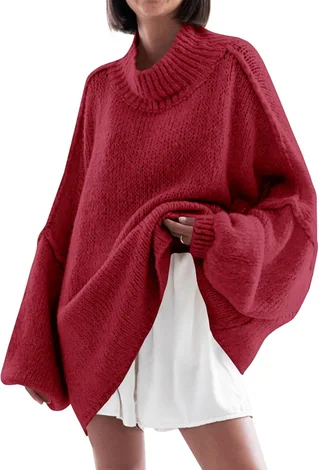
See allWomens Turtleneck Oversized Sweaters Batwing Long Sleeve
4.3 out of 5 (11,091) $21.96 - $23.73 4 colours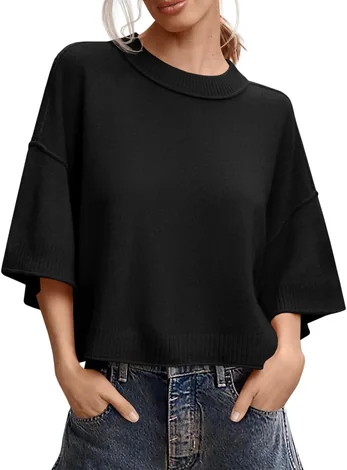
Fit words and what they mean here
Where the maker states a fit, this site repeats it on the page in the maker's own word. The counts are below.
| Fit as stated | Styles |
|---|---|
| Oversized | 59 |
| Loose Fit | 48 |
| Fitted | 17 |
| Relaxed Fit | 15 |
| Slim Fit | 6 |
| Bodycon | 5 |
| Baggy | 4 |
| Slouchy | 4 |
Oversized means the pattern was drawn wide: the shoulder seam sits down the arm and the body has room for a layer underneath. The letter on the label is still the letter, so buy your usual size unless you want the shape at a smaller scale.
Slouchy and loose sit a step closer to the body than oversized. Fitted and bodycon are the ribbed pieces, and they run true or slightly small, because elastic fabric is drafted to stretch onto you rather than hang from you.
What goes under a knit
Knitwear is rarely the only layer, and most of the complaints people have about a sweater are really complaints about what is under it. Three cases cover almost everything.
Lightweight89 pieces
Chunky48 pieces
Midweight1 pieces
Heavyweight1 pieces
An open stitch needs a deliberate layer. Crochet and other open knits show whatever is underneath, so the piece below is part of the outfit rather than underwear. A plain vest or a tank in a colour you chose on purpose is the whole difference between an open knit that looks planned and one that looks unfinished.
A chunky knit needs a thin layer. Anything with body under a heavy sweater bunches at the waist and stays there. This is where the 47 cardigans and the sleeveless tops in this range work as a pair: a fine tank under an open cardigan gives warmth without the second bulky sleeve inside the first.
| Fibre as stated | Styles |
|---|---|
| 100% Polyester | 12 |
| 45% Cotton | 7 |
| 70% Polyester, 10% Polyamide | 4 |
| 82% Polyester, 7% Viscose, 5% Polyamide | 3 |
| 30% Polyester, 26% Viscose, 20% Polyamide | 3 |
| 22% Polyester, 4% Elastane | 2 |
| 5% Polyester, 5% Elastane, 10% Polyamide | 2 |
| 45% Viscose, 30% Polyamide, 25% Polyester | 2 |
A brushed knit needs a layer that does not fight it. Fuzzy fabric grips smooth fabric and slides on nothing, so a satin blouse under a brushed cardigan spends the day riding up. Cotton against brushed knit stays where it is put.
One more piece of arithmetic. Two thin layers hold more warm air between them than one thick layer of the same total weight. A vest under a cardigan beats a single heavy pullover on a cold morning that turns mild by noon.
Pilling: which knits do it and why
A pill is a small ball of loose fibre that has worked its way out of the yarn and tangled on the surface. Every knit does it to some degree, and the ones that do it most are the ones people love most: soft, short-fibred, brushed yarns.
Hand wash means hand wash
- cool water, ten minutes, wool wash
- press the water out in a towel
- dry flat, away from a radiator
Machine wash still has rules
- cold, delicate cycle, inside a bag
- spin low or the shoulders stretch
- flat to dry whatever the machine promises
The mechanism is friction, and it happens in the same four places on almost every sweater. Under the arms, where sleeve rubs body. At the sides, where a bag hangs. Across the lower back, against a car seat or a chair. And on the forearms, against a desk.
Two things reduce it and neither is exotic. Wash inside out on a cold, short cycle, so the surface rubs against itself rather than against a zip. And give a knit a day off between wearings: fibre that has been compressed recovers overnight and sheds less the next time.
Oversized59 pieces
Loose Fit48 pieces
Fitted17 pieces
Relaxed Fit15 pieces
Slim Fit6 pieces
Bodycon5 pieces
When pills appear, take them off rather than pulling them. A fabric shaver or a disposable razor held flat, moving in one direction over a knit laid out on a table, takes a first-winter sweater back to looking new in about ten minutes. Pulling a pill takes the fibre with it and thins the fabric where you pulled.
Cable and chunky knits pill less visibly than fine flat ones, because the pattern breaks up the surface. Fuzzy knits pill most and hide it least, which is the trade for how they feel in week one.
The first five minutes with a new knit
A knit tells you most of what it is before you take the tag off, and the checks take less time than the return would.
- Hold it to a window. How much light comes through is how much light will come through when you wear it. This is the single most useful test on a white or cream piece.
- Stretch a seam gently across the shoulder. The fabric should pull and come back. If it stays open, the elastic is tired before you started.
- Look at the underarm. On a batwing, the fabric should hang from a long seam without gathering into a lump. A lump on the hanger is a lump on you.
- Run a hand up the sleeve against the grain. A lot of loose fibre now means a lot of shedding later, and that is a laundry decision rather than a fault.
- Read the care tag against the fibre tag. A high-acrylic blend that says hand wash only is telling you about the construction, not the fibre, and it usually means a trim or a panel that does not like a machine.
- 1. Cool water, no soakingKnitwear gives up its shape in warm water. Ten minutes is plenty, and wool wash beats detergent.
- 2. Press, never wring, dry flatWater weight is what stretches a knit. A towel takes it out, and a hanger makes it longer.
- 3. Fold, never hang, between seasonsFolded in a box a knit keeps its shoulders. On a hanger it grows two sizes by spring.
None of these are quality tests in a laboratory sense. They are the checks that tell you whether the piece will fit the life you were planning for it, which is a different and more useful question.
What the size letter promises in a knit
Knitwear is more forgiving about size than a woven shirt and less forgiving about the wrong choice, because a knit that is too small does not tear: it stretches, and it stays stretched.
The table below counts the styles behind each size in each department, so you can see where the range is deep before you fall for a colour that has one size left.
| Department | S | M | L | XL | XXL | Styles |
|---|---|---|---|---|---|---|
| Pullovers | 25 | 27 | 28 | 13 | 4 | 57 |
| Cardigans | 21 | 24 | 16 | 6 | 6 | 47 |
| Tops & Vests | 20 | 23 | 17 | 8 | 3 | 44 |
| Dresses | 6 | 8 | 10 | 4 | 1 | 17 |
| Sets | 9 | 4 | 6 | 4 | 1 | 13 |
| Cover Ups | 9 | 12 | 7 | 4 | 2 | 19 |
| Coats | 1 | 4 | 4 | 3 | 2 | 7 |
| Jeans | 5 | |||||
| Swim | 1 | 2 | 4 | |||
| Girls | 7 |
Two rules cover most cases. On a ribbed or fitted piece, buy your measured size: the fabric is drafted to stretch onto you. On an oversized or chunky piece, buy the letter you normally wear and let the pattern do the work. Sizing up on an oversized knit gives you a longer body and a sleeve past the knuckle, which reads as borrowed rather than relaxed.
If a piece is between two sizes and it is a cardigan, take the smaller one. An open front hides the difference, and a cardigan that is too big slides off the shoulder all day.
When a knit is the wrong garment
The honest list, because a range this size can meet most needs and should not pretend to meet all of them.
- Rain. No knit here is waterproof and none are treated. Wet wool-blend yarn is heavy, wet acrylic is cold, and both take a day to dry flat.
- Real cold. A chunky cardigan is warm indoors and in a mild autumn. Below freezing it is a layer, not a coat, and the coats department is the honest answer.
- Sun. An open or crochet stitch lets ultraviolet through. Cover is a matter of density, and nothing in this range carries a rating.
- A formal dress code. A knit takes no crease and holds no line. A sweater dress is smart in a room where the standard is smart-casual, and out of place where a jacket is expected.
- Hard wear. Knits snag. A day of moving boxes or a walk through brambles costs a pulled loop, and a pulled loop in an open stitch is a hole.
Pullovers$14.99 to $39.99
Cardigans$14.99 to $49.99
Tops & Vests$9.90 to $39.99
Dresses$12.92 to $43.99
Sets$29.98 to $61.99
Cover Ups$9.99 to $39.97
Coats$11.68 to $64.99
Jeans$29.98 to $39.98
Swim$14.99 to $39.99
Girls$9.88 to $23.98
None of that is a warning against knitwear. It is the boundary of what this fabric does, and a range that names the boundary is easier to buy from than one that does not.
What the fibre line adds
Stitch is only half the story. The same cable pattern in acrylic and in wool are different garments: one holds colour and shrugs off a machine wash, the other holds warmth and needs a careful one.
Every page here states the fibre where the maker states it, and the rule behind that line is specific about how it may be written:
In disclosing required information, words or terms shall not be designated by ditto marks or appear in footnotes referred to by asterisks or other symbols in required information
Federal Trade Commission, 16 CFR Part 303, Textile Fiber Products Identification Act
So a label spells out its fibres in full rather than hiding them behind a symbol, and what it prints is what you are buying. Our label guide goes through the fibre rules, the wool rules and the five per cent rule that changes what a blend is allowed to say.
Where the stitch meets the colour
This range is organised by colour because that is how people shop it: one shape lives in eight to fourteen shades. The stitch changes how a colour reads, and it is worth one paragraph before you pick a family.
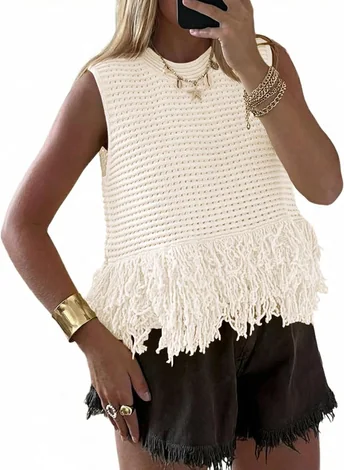
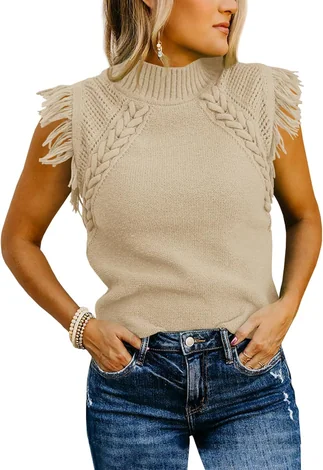
A pattern disappears into black and reappears in daylight. Cable and cable-adjacent stitches show best in the mid neutrals: camel, oatmeal, grey. Crochet reads its cleanest in white and cream, and shows its holes most there too. Brights carry a plain stitch better than a busy one, because the colour is already doing the work.
Pullovers57 styles
Cardigans47 styles
Tops & Vests44 styles
Cover Ups19 styles
Dresses17 styles
Sets13 styles
Coats7 styles
Girls7 styles
Jeans5 styles
Swim4 styles
Our colour index puts every family on its own page with the maker's own colour names, which is the fastest route from a shade you already wear to the shapes that come in it.
The beige family, most rated first
See all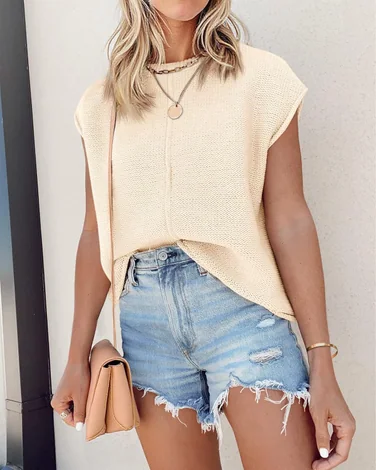
Sources we read
| Source | Published by | Read |
|---|---|---|
| 16 CFR Part 303, Textile Fiber Products Identification Act | Federal Trade Commission | 5 September 2026 |