Guide
Reading a knitwear label: fibre, wool, cashmere and the five per cent rule
What the small tag inside the neck is legally required to say, which words are protected, and how to read a blend before you pay for it.
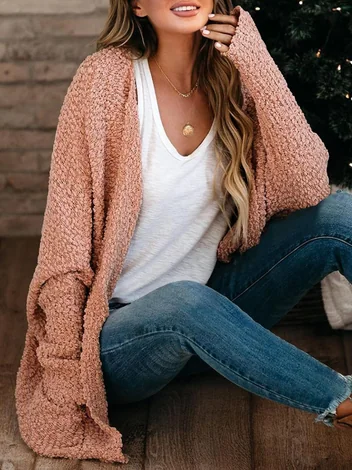
A sweater has two tags. One carries a brand and a size, and it is marketing. The other carries fibre percentages, a country of origin and a line of care symbols, and it is a legal document written to federal rules.
That second tag is the most reliable thing you can read about a knit before you own it, and almost nobody reads it. This page is about what it is required to say, what it is forbidden to say, and what each line means for a garment you are about to wear against your skin.
Everything quoted here comes from the rules themselves, read in full on the day this page was written. The sources sit at the bottom with the date.
Fibres have legal names
A fibre content label cannot invent a word. Every manufactured fibre has a generic name defined in the rules, and a maker who wants to use a trade name has to put the generic one next to it. That is why labels say polyester rather than a brand of polyester, and viscose or rayon rather than a poetic word for either.
The rule is also specific about the form of the disclosure. No shortcuts, no symbols, no footnotes:
In disclosing required information, words or terms shall not be designated by ditto marks or appear in footnotes referred to by asterisks or other symbols in required information
Federal Trade Commission, 16 CFR Part 303, Textile Fiber Products Identification Act
So when a tag reads 82% Polyester, 7% Viscose, 5% Polyamide, that is the whole truth about the yarn as the maker declared it, spelled out in words a court could read. The blends we can confirm in this range are counted below.
| Fibre content as stated | Styles |
|---|---|
| 100% Polyester | 12 |
| 45% Cotton | 7 |
| 70% Polyester, 10% Polyamide | 4 |
| 82% Polyester, 7% Viscose, 5% Polyamide | 3 |
| 30% Polyester, 26% Viscose, 20% Polyamide | 3 |
| 22% Polyester, 4% Elastane | 2 |
| 5% Polyester, 5% Elastane, 10% Polyamide | 2 |
| 45% Viscose, 30% Polyamide, 25% Polyester | 2 |
The five per cent rule, and why blends hide
This is the rule that changes how you read every blend, and it is worth quoting in full because almost nobody knows it exists:
no fiber present in the amount of less than 5 percent of the total fiber weight shall be designated by its generic name or fiber trademark in disclosing the constituent fibers in required information
Federal Trade Commission, 16 CFR Part 303, Textile Fiber Products Identification Act
In plain terms: a fibre that makes up less than five per cent of a garment may not be named on the label at all. It must be called other fiber, and when there are several of them they are lumped together as other fibers.
Two consequences follow, and they point in opposite directions. The first is protective: a maker cannot put two per cent of cashmere into a sweater and print the word cashmere on the tag to sell it. The rule forbids exactly that.
| Neckline | Styles |
|---|---|
| Crew neck | 36 |
| V-neck | 32 |
| Turtleneck | 25 |
| Collared | 10 |
| Square neck | 4 |
| Boat neck | 4 |
| Hooded | 2 |
| Off shoulder | 2 |
The second is a limit on what you can learn. A tag reading 95% Acrylic, 5% Other Fibers tells you nothing about what those other fibres are, and they may be doing real work: elastane in a cuff, nylon for strength at the elbow. The rule allows a maker to name a small fibre when it has a genuine function, and gives the example of a four per cent spandex content declared next to ninety-six per cent acetate.
So a blend with named minor fibres is a blend whose maker chose to explain itself. That is a small signal of care, and on a wall of similar cardigans it is one of the few signals available.
Cardigans, most rated first
See all
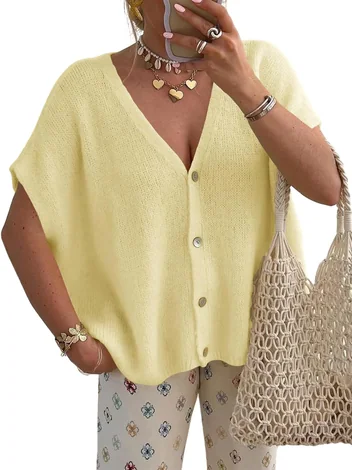
Womens Fall Short Sleeve Cardigans Sweater Oversized Tops
4.3 out of 5 (1,111) $15.26 - $23.96 5 colours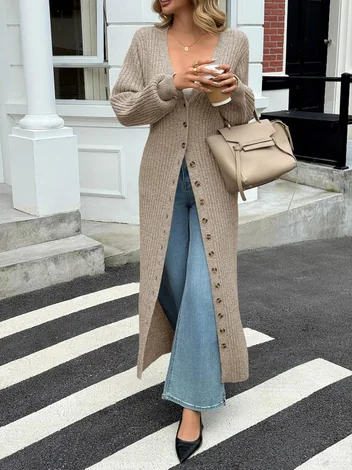
Womens Long Duster Cardigans Button Down Maxi Sweater
4.3 out of 5 (1,101) $37.98 - $37.99 4 colours
What acrylic actually does
Most affordable knitwear, in this range and everywhere else, is largely acrylic. 0 styles here state it. It is worth being straight about what that means rather than treating the word as a criticism.
Acrylic is a synthetic fibre engineered to behave like wool. It takes dye brilliantly, and that is the reason a range like this one can offer twelve saturated colourways of the same cardigan. It does not felt, so a machine wash on cold is survivable. It costs a fraction of animal fibre. And it holds its colour through a season of sunlight better than wool does.
- cool water, ten minutes, wool wash
- press the water out in a towel
- dry flat, away from a radiator
- cold, delicate cycle, inside a bag
- spin low or the shoulders stretch
- flat to dry whatever the machine promises
What it does less well is breathe. Acrylic traps warmth and traps moisture with it, so an acrylic sweater in an overheated room feels clammy in a way a wool one does not. It also pills more readily on the soft, brushed constructions, and it melts rather than chars near real heat, which matters at a barbecue and not much anywhere else.
Cotton blends are the summer answer here and cooler against the skin, and viscose adds drape and a cool hand at the cost of strength when wet. Neither is better in the abstract. They are answers to different rooms.
Wool is a protected word
Wool has its own act and its own rules, separate from the general fibre ones. A wool product has to declare its fibre content by weight, and the words attached to wool are defined rather than decorative.
- 1. Measure a knit you already wearChest flat across and shoulder to hem. Those two numbers settle most of the range.
- 2. Read the stitch before the sizeRibbed pulls in and follows the body. Chunky adds width to the shoulders before you wear it.
- 3. Decide how oversized you want itOversized is a cut here, not a size up. Taking a size up on top of it gets you a dress.
The most useful line for a shopper is the one governing cashmere, because cashmere is the word most often borrowed by things that are not it. The rule sets a measurable ceiling on how coarse the fibre may be before it stops being cashmere:
The cashmere fibers in such wool product contain no more than 3 percent (by weight) of cashmere fibers with average diameters that exceed 30 microns
Federal Trade Commission, 16 CFR Part 300, Wool Products Labeling Act of 1939
A micron is a thousandth of a millimetre. Thirty of them is roughly a third of the width of a human hair, and fibre finer than that is what makes cashmere feel like cashmere rather than like a coarse wool. The rule does not care what a garment feels like in a photograph. It cares what the fibre measures.
This is why the phrases soft as cashmere and cashmere feel turn up so often in product copy, and the word cashmere alone so rarely. The adjective is free. The noun is regulated. When you see the word on its own in a fibre content list, with a percentage next to it, it means something. When you see it in a sentence about how a sweater feels, it means the writer liked the sweater.
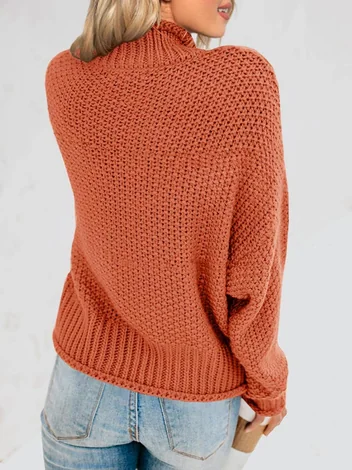 Pullovers57 styles
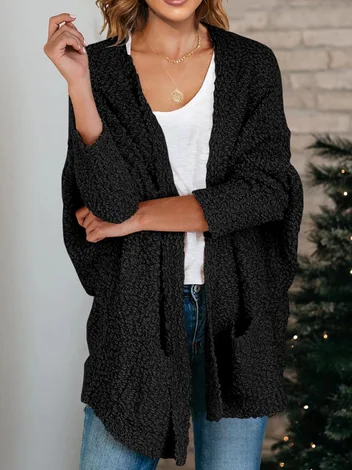 Cardigans47 styles
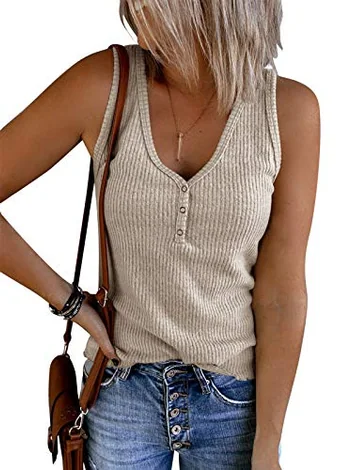 Tops & Vests44 styles
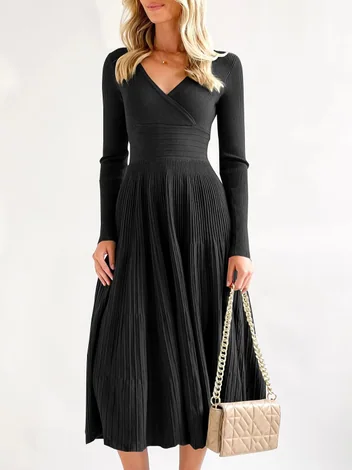 Dresses17 styles
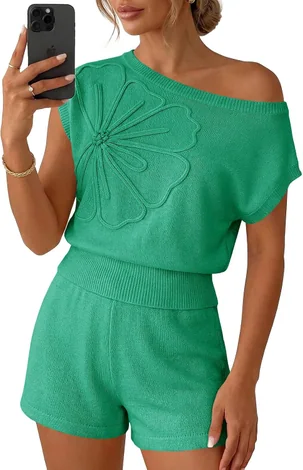 Sets13 styles
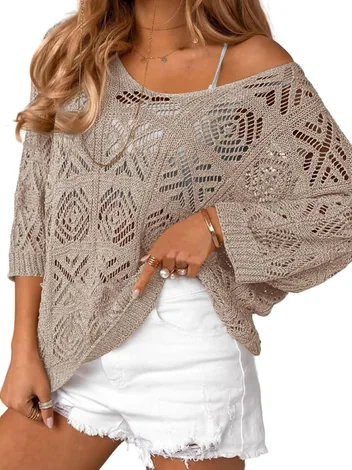 Cover Ups19 styles
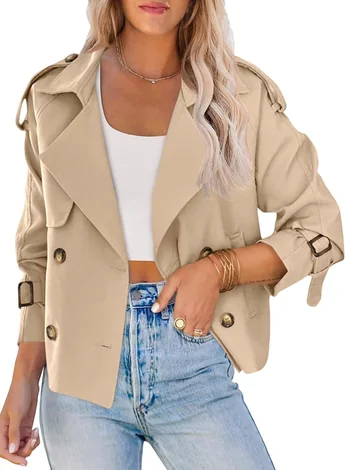 Coats7 styles
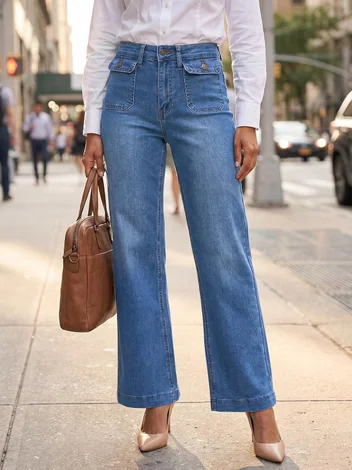 Jeans5 styles
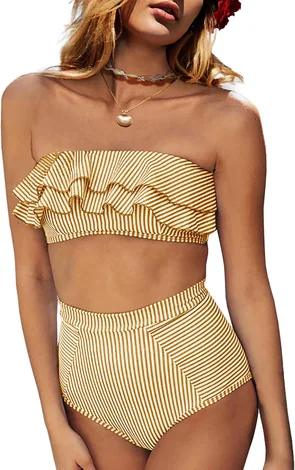 Swim4 styles
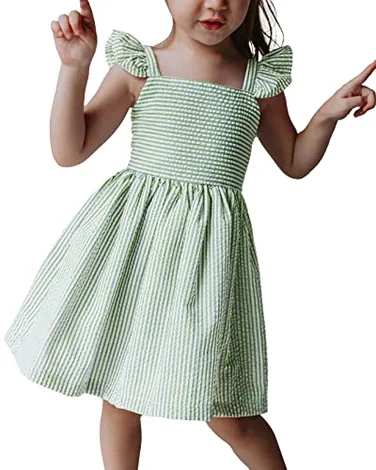 Girls7 styles
Nothing in this range is sold as cashmere. Where a page says acrylic, viscose or cotton, that is what the maker declared, and the softness you can see in the photographs comes from the construction rather than the animal.
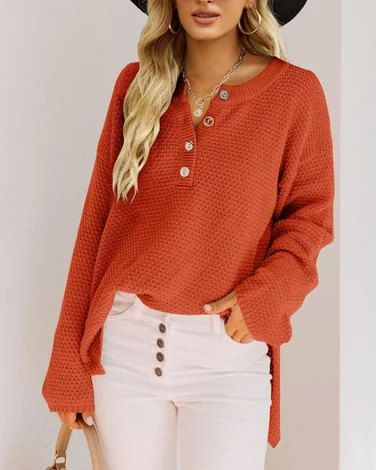
Elastane, and the fibre that decides recovery
Stretch and recovery are two different things, and only one of them is worth paying for. Any knit stretches, because a fabric of loops has to. Recovery is whether it goes back, and in a blend that is usually the job of one small fibre.
The rule defines that fibre by chemistry rather than by feel:
A manufactured fiber in which the fiber-forming substance is a long chain synthetic polymer comprised of at least 85 percent of a segmented polyurethane.
Federal Trade Commission, 16 CFR Part 303, Textile Fiber Products Identification Act
That is spandex, which is the generic name used on a United States label. Elastane is the same fibre under the name most of the rest of the world prints, and Lycra is a trademark for it. Three words, one fibre, and a label may legally carry any of them so long as the generic name appears where the rule requires it.
In this range 7 styles state elastane or spandex in the fibre line, and 42 state stretch as a property without naming the fibre that provides it. The second group is the larger one, and the reason is the five per cent rule above: a cuff can hold two per cent of elastane, do real work with it, and never be allowed to say so.
What to take from this. A ribbed knit with no stated elastane can still spring back, because the rib itself is a mechanical spring. A flat, fine knit with no elastane and no rib is the one that will bag at the elbows by February. The stitch tells you as much here as the fibre line does.
Polyamide, nylon and the names that travel
Fibre names do not translate cleanly between markets, and knitwear sold internationally carries the marks of that. The rule is direct about which name has to appear:
the respective generic names of all fibers present in the amount of 5 per centum or more of the total fiber weight of the textile fiber product shall be used when naming fibers in the required information
Federal Trade Commission, 16 CFR Part 303, Textile Fiber Products Identification Act
The generic name in the United States is nylon. Polyamide is the same fibre and the usual word in Europe, and a label printed for several markets often shows it. Viscose and rayon are another pair, and our care guide covers that one.
Here 25 styles state polyamide or nylon somewhere in the blend. The fibre earns its place: it is the strongest of the common synthetics, it resists abrasion where a garment rubs, and a few per cent of it in a soft yarn is what keeps a cuff from wearing through first.
The practical reading is short. A blend that names nylon has been built to survive rubbing. A blend that names viscose has been built to hang and to feel cool. Neither is a mark of quality on its own, and a fibre line is only ever a list of what the yarn is made of.
The care label is required, not optional
The other half of the tag is the care instruction, and it exists because a garment that cannot be cleaned is not fit for sale. The rule is blunt about the minimum:
The label must state whether the product should be washed by hand or machine.
Federal Trade Commission, 16 CFR Part 423, Care Labeling of Textile Wearing Apparel
And it defines the plain words so that a label cannot hide behind them:
Machine wash means hot, warm or cold water can be used.
Federal Trade Commission, 16 CFR Part 423, Care Labeling of Textile Wearing Apparel
That single definition is the most misread line in laundry. A tag that says only machine wash is telling you that hot water will not destroy the garment. A tag that says machine wash cold is telling you something narrower and more urgent, and on a knit it usually means the yarn will felt, shrink or lose its recovery in heat.
The drying instruction is separate and equally required. Two of the defined phrases matter more to knitwear than anything else on the tag:
Dry flat” —lay out horizontally for drying
Federal Trade Commission, 16 CFR Part 423, Care Labeling of Textile Wearing Apparel
Do not wring” —do not use roller wringer, nor wring by hand
Federal Trade Commission, 16 CFR Part 423, Care Labeling of Textile Wearing Apparel
Both exist because a wet knit is heavy and weak at the same time. Hung wet, it stretches under its own weight. Wrung, it keeps a twist that distorts stitches for good. Our care guide is the long version of those two sentences.
| Care as stated | Styles |
|---|---|
| Hand Wash | 92 |
| Machine Wash | 32 |
| Machine Washable | 14 |
| Hand Washable | 1 |
Bleach, and the words that must appear
A care label also has to warn where a common process would ruin the garment. If chlorine bleach would damage the product, the label is required to say so in words:
No bleach” or “Do not bleach” —no bleaches may be used
Federal Trade Commission, 16 CFR Part 423, Care Labeling of Textile Wearing Apparel
On a coloured knit that warning is usually there, and it covers more than the obvious. Many stain removers and some detergents marketed for whites carry an oxygen bleach, and on a dyed acrylic the result is a pale patch rather than a clean one.
The practical rule for this range: treat a stain with cold water and time before you treat it with chemistry, and test anything stronger on an inside seam.
A note about knits and fire
Clothing textiles sold in the United States have to meet a flammability standard, and ordinary clothing has to reach the first class:
Class 1 textiles exhibit normal flammability and are acceptable for use in clothing.
U.S. Consumer Product Safety Commission, 16 CFR Part 1610, Standard for the Flammability of Clothing Textiles
Normal flammability is exactly what it sounds like. It is not fire resistance, and no knit in this range is sold as flame resistant. A brushed or fuzzy surface catches a flame faster than a smooth one, which is a real consideration at a fire pit and around candles, and no consideration at all in an office.
Viscose, rayon and the words that mean the same thing
Three words on knitwear labels describe one family of fibre: viscose, rayon and modal. They are made by dissolving cellulose, usually wood pulp, and spinning it back into a filament, and that is the reason the rules class them as manufactured rather than natural even though they start in a tree.
| Stitch | Styles | In cardigans | In pullovers |
|---|---|---|---|
| Chunky knit | 28 | 15 | 12 |
| Crochet | 27 | 5 | |
| Ribbed | 15 | 2 | |
| Cable knit | 14 | 2 | 6 |
| Fuzzy knit | 5 | 1 | 1 |
| Fair Isle | 4 | 1 | 2 |
In a knit, viscose does two jobs. It drapes: a viscose blend hangs closer to the body and swings when you walk, where an all-acrylic knit stands away. And it feels cool to the touch, and that is the reason the summer pieces in this range carry more of it than the winter ones.
Its weakness is water. Viscose loses a large part of its strength when wet, and that is the reason blends carrying a lot of it say hand wash and mean it, and why wringing one is the fastest way to pull a seam. It also creases more readily than acrylic and drops the crease more slowly.
A viscose-heavy top is a good buy for drape and a bad buy for a suitcase. Read the percentage and plan accordingly.
- the stitch pulls in and follows the body
- recovers its shape after a day of wear
- shows everything under it, which some people want
- adds visible width at the shoulder and arm
- holds warmth better than anything else here
- takes a day to dry flat and never goes on a hanger
Cotton in a knit is not the cotton in a t-shirt
11 styles here state cotton in their blend, mostly the summer knits and the crochet pieces. Cotton in a knitted structure behaves differently from cotton in a jersey t-shirt, and the difference catches people out.
Knitted cotton has no memory. Wool springs back and acrylic springs back. Cotton stretches and stays. A cotton crochet cardigan grows through a hot afternoon and is a size larger by evening, which is charming on a beach and irritating in an office.
It also holds water. A cotton knit caught in rain is heavy and slow to dry, and it is the one fibre in this range that genuinely benefits from being dried flat rather than merely surviving it.
Where cotton wins is the skin. It breathes, it takes heat away from the body, and it does not hold odour the way a synthetic does after a warm day. For a July cover up that is the whole argument.
Crochet pieces, most rated first
See all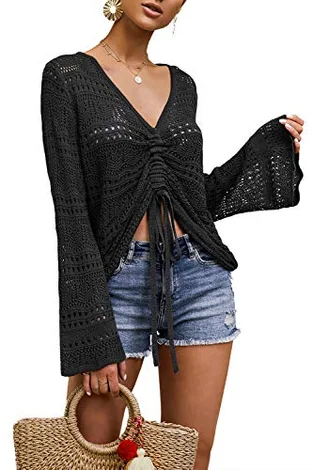
The size on the label and the size in the box
Size is the one number on a garment tag that no federal rule governs. There is no legal definition of a medium, no agency checking one, and every maker draws its own block. That is why a size chart exists and why two mediums from two brands can differ by three inches across the chest.
In this range the letters run X-Small to XX-Large across most departments, with a handful of pieces to 5X-Large and a small girls' line sized in years. Every product page lists the sizes we can actually point you to today, and the department pages filter by them.
- 1. Cool water, no soakingKnitwear gives up its shape in warm water. Ten minutes is plenty, and wool wash beats detergent.
- 2. Press, never wring, dry flatWater weight is what stretches a knit. A towel takes it out, and a hanger makes it longer.
- 3. Fold, never hang, between seasonsFolded in a box a knit keeps its shoulders. On a hanger it grows two sizes by spring.
The practical approach with knitwear is to stop comparing letters and start comparing a garment you own. Lay a sweater that fits the way you want flat, measure across the chest an inch below the armpit, and measure shoulder seam to hem. Those two numbers travel between brands in a way the letter never does.
Where a maker states a fit word, this site repeats it. Oversized means the pattern was drawn wide and the letter still applies. Fitted and bodycon mean the fabric is drafted to stretch onto you. The knit guide goes through both in detail.
Country of origin, and what it does not promise
A textile label also carries a country of origin, and it is the line most likely to be over-read. It tells you where the garment was assembled. It does not tell you where the fibre grew, where the yarn was spun, or under what conditions any of it happened.
For a buyer, the useful reading is narrow: origin correlates loosely with lead time and with which safety and labelling regimes the maker is already meeting to sell in the United States. It correlates weakly with quality, which is a function of specification and inspection rather than geography.
The fibre and care lines are the ones to shop by: they come from the maker's own text for each style, and they tell you how the piece will wear and wash.
What the label cannot tell you
Three things a fibre and care label will never settle, and it is worth knowing which questions to stop asking of it.
- How warm a garment is. Warmth comes from trapped air, which is construction and thickness, not fibre percentages. A thick acrylic knit outperforms a thin wool one in a doorway.
- How it will pill. Pilling depends on fibre length and twist, and neither appears on a tag. The stitch you can see tells you more.
- Whether it will suit you. No tag has ever answered that, and the size chart and the colour name are the closest the label gets.
What the label does settle is the composition, the care and the honesty of the words on it. Between the fibre line, the five per cent rule and the two care phrases above, you can read most of what a knit will ask of you in the ten seconds before you buy it.
Pullovers, most rated first
See allWomens Turtleneck Oversized Sweaters Batwing Long Sleeve
4.3 out of 5 (11,091) $21.96 - $23.73 4 colours
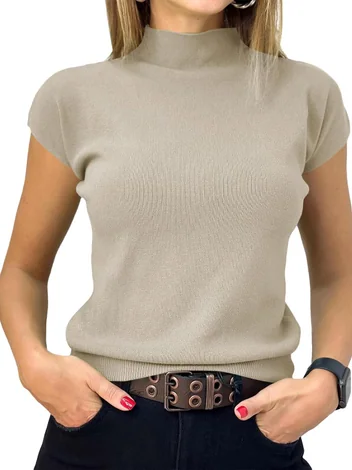
Reading a label in ten seconds
- Find the biggest number. The first fibre by weight tells you how the garment will behave: acrylic, cotton, viscose or a wool blend, in that order of likelihood in this range.
- Look for named minor fibres. Elastane or nylon at three or four per cent means a maker who bothered to declare a working fibre rather than hiding it as other fibers.
- Read the wash temperature, not the wash word. Machine wash alone permits hot. Machine wash cold is a warning about the yarn.
- Read the drying line. Dry flat means the garment will stretch on a hanger, and that is the most common way a good knit is ruined.
- Check for a bleach warning. Its presence is normal on colour. On a white piece its absence is worth noticing before a stain arrives.
Do that once on each new knit and write nothing down. The point is not to keep a record. It is to know, before the first wash, which of the two most expensive mistakes you are at risk of making.
The black family, most rated first
See allWomens Turtleneck Oversized Sweaters Batwing Long Sleeve
4.3 out of 5 (11,091) $21.96 - $23.73 4 colours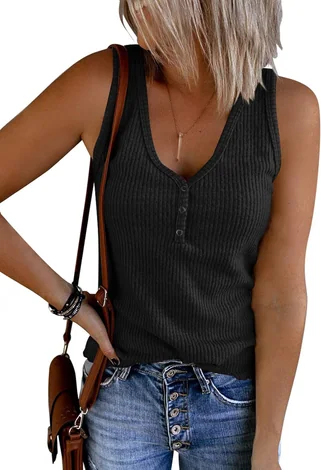
Sources we read
| Source | Published by | Read |
|---|---|---|
| 16 CFR Part 303, Textile Fiber Products Identification Act | Federal Trade Commission | 5 September 2026 |
| 16 CFR Part 300, Wool Products Labeling Act of 1939 | Federal Trade Commission | 5 September 2026 |
| 16 CFR Part 423, Care Labeling of Textile Wearing Apparel | Federal Trade Commission | 5 September 2026 |
| 16 CFR Part 1610, Standard for the Flammability of Clothing Textiles | U.S. Consumer Product Safety Commission | 5 September 2026 |